

From coach(inc.) to the divan
Psychoanalysis and Desire
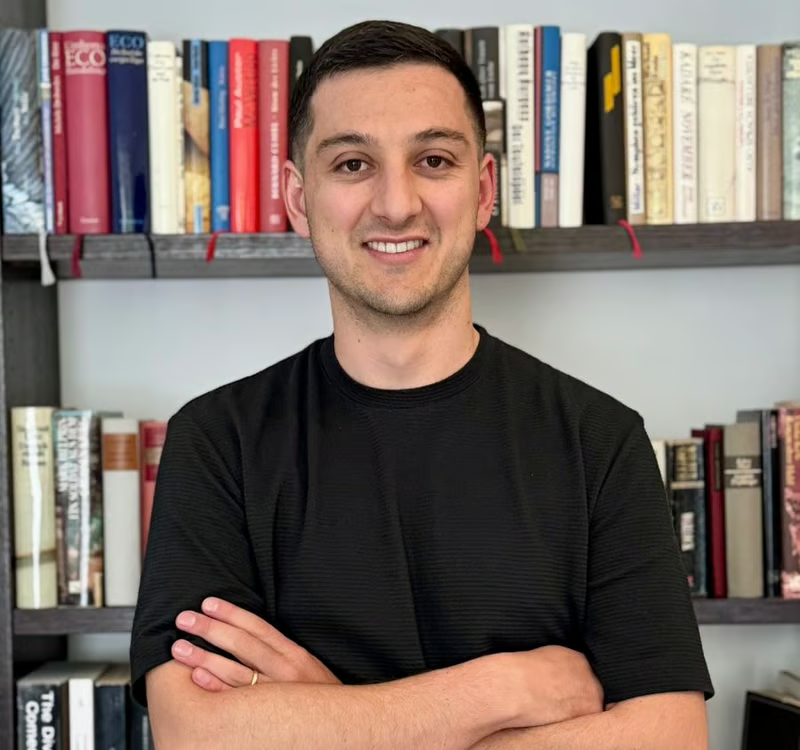
Like many others, Felipe says, ‘I also tried different disciplines before arriving at psychoanalysis’. Wanting to understand what was causing turmoil in his life, ‘led him a couple of times to consult methods that were far removed from his way of seeing life’.
For a time, his interest was focused on coaching. There, he devoted himself to training, according to him, ‘based on models and schemes of thought that would be learned and applied to everyone and everything’. With this, says Felipe, ‘disillusionment set in. He did not see a refuge for his singularity there’.
In 2024, he met his psychoanalyst, Yoany Rendón. ‘From his previous experience, he understood that, in some way, he had fallen into the foolish mistake of thinking that one is not responsible for what happens. Leaving this response-(ability) to the method’. This is how he presents himself to the analyst, ‘as someone who will take responsibility for what emerges from his analysis.’
A major difference that Felipe has found in his analytical experience ‘is that there, in psychoanalysis, he does not find someone who tells him what to do. He does not find a recipe book of tips or advice to improve his life’.
These last words remind us a little of Jacques-Alain Miller’s text, Del Síntoma al fantasma. Y retorno – (From Symptom to Fantasy. And Return), when he mentions ‘practices that invite one to operate (…) under someone else’s orders’. Felipe says that ‘in coaching, he practically had someone telling him what to do. Because from the method itself, they tell you that what you have to do is what you said you wanted to do’.
According to Miller, these would be practices located in the coordinates ‘of the effect – (…) which means that (…) it is not situated by us at the level of the cause’. According to Miller, far from telling the other what to do with their suffering, the analyst considers the subject’s speech in the analytical experience as the preferred route to the cause. For ‘suffering does not imply that the truth of pain is pain itself’.
From obeying orders, Felipe says, ‘he has understood, through analysis, that he had a need to be under the gaze of the Other, to feel like a son and to seek out the father figure.’ Through analysis, ‘he has decided to move from being a son to sustaining himself in the father function for his son’.
Likewise, Felipe continues, ‘I have moved away from the position I thought I had before, of going around telling others what they should do. I have abandoned my position as an advisor. Of believing that I had a perfect life and way of acting to show others’.
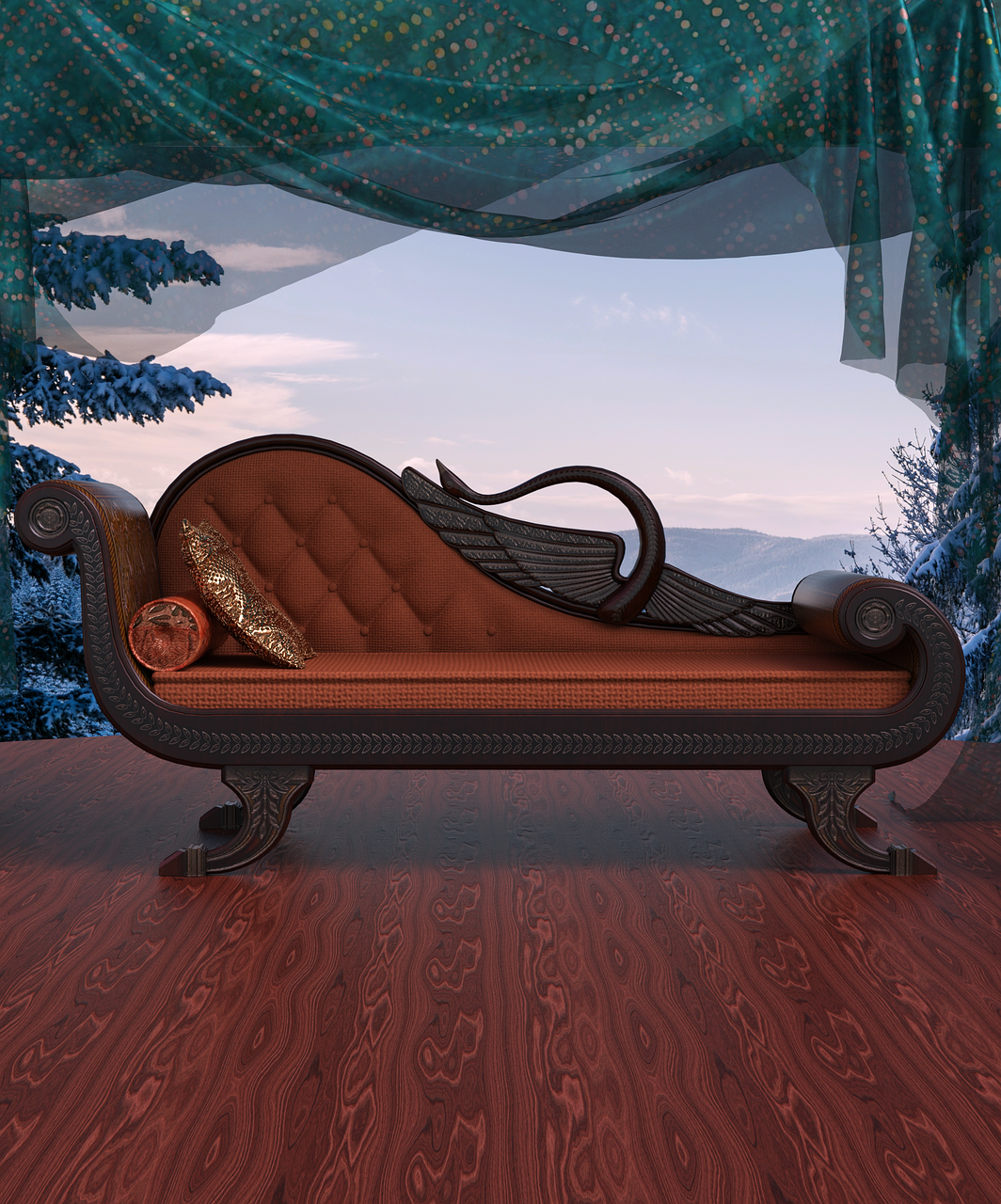
At the end of this interview, Felipe had to move his car, which, according to him, ‘was badly parked.’ Interestingly, the move is carried out as he says, ‘I took a step away from coaching to get to psychoanalysis.’ To the divan.
_______________________________________________________________
Jacques-Alain Miller: Del síntoma al fantasma. Y retorno, Buenos Aires, Paidós, 2018.